Helmed by Oorja Design
Curated by Jenny Pinto and Debanshu Bhaumik
Alliance Française, New Delhi
28th January – 9th February 2027
What would human civilisation do without paper!
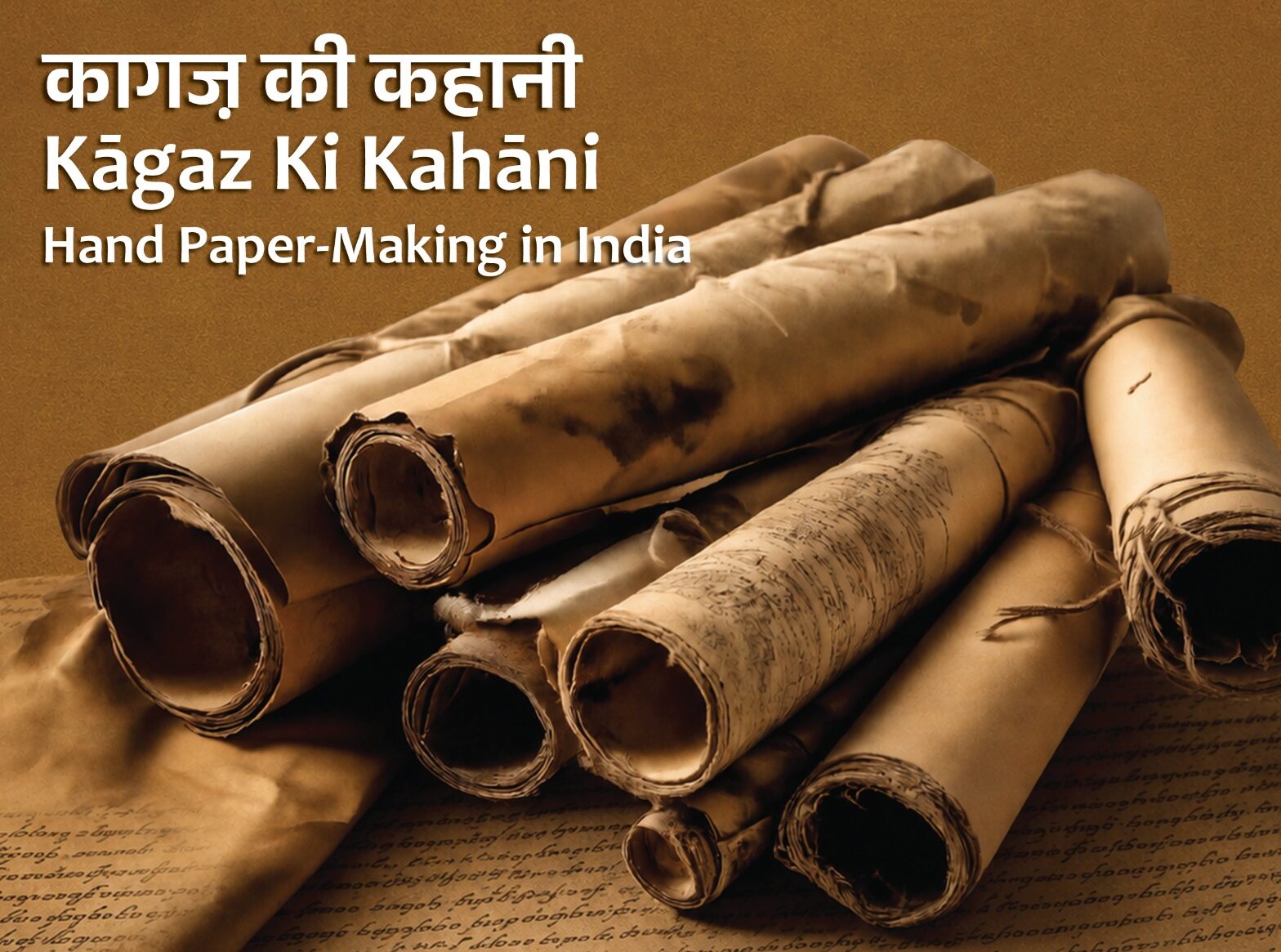
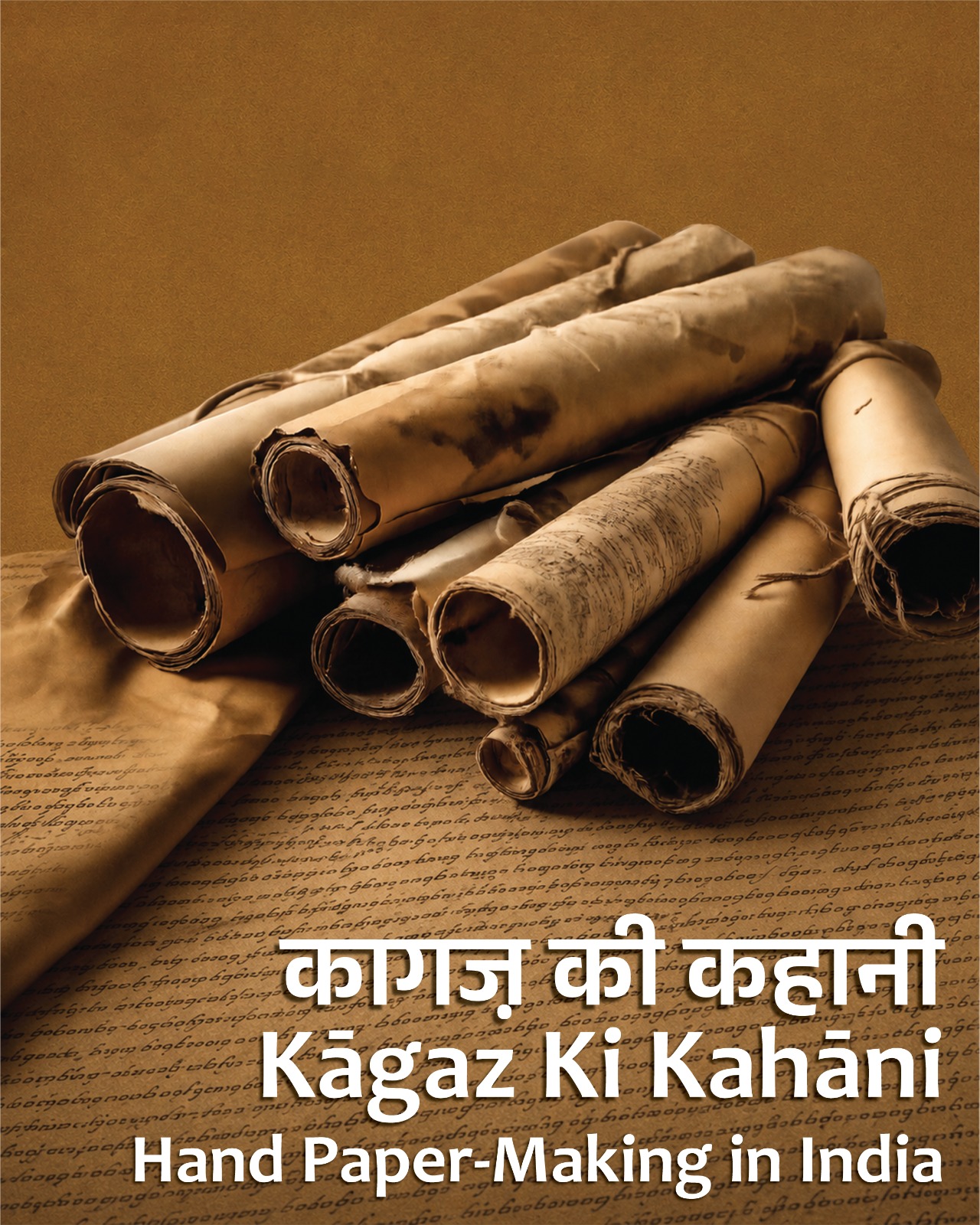
From education and art to religion, history, culture and politics, the invention of paper changed the way our civilisation functioned. In India, paper has a very deep and fascinating history that maps the political, religious, social and cultural history of the country from the 12th century onwards.
Introduced into India by the Persian and Arab trade routes and conquests, as the craft of paper making spread, several handmade paper centres established all over the country. It transformed state craft, as it became a political tool for various rulers and empires. Further down the centuries, during the Swadeshi and boycott movements, Indian nationalists, led by Mahatma Gandhi, boycotted British machine-made cloth and paper in favour of Indian hand-spun cloth and Indian handmade paper, at which point the revival of indigenous paper making left a lasting mark on India’s political and cultural landscape.
In the arts and crafts sector, the handmade paper gave a huge impetus to miniature painting, calligraphy and other folk art traditions like Sanjhi art, Papier-mâché etc. In modern times, the local traditions of kites, lanterns and festive buntings make paper are an intrinsic part of Indian life.
Handmade paper has historically served as a critical medium for preserving and spreading religious knowledge. The shift from traditional palm leaves and birch bark to paper allowed for widespread transcription and preservation of scriptures in Islam, Hinduism, Buddhism and Jainism.
The widespread use of paper in India, supported a whole section of artisans called the Kagzis, who were spread all over India from UP to Maharashtra and even today, there is a village called Kagzipurs near Aurangabad, which still has a sizable handmade per industry.
Although the craft declined in the colonial era, it revived thanks to Mahatma Gandhi, who promoted local handicrafts and set up handmade paper units as part of the Swadeshi movement and with the establishments of Khadi Village Industries post-independence. Today, India is the second largest producer of non-wood pulp, sustainable paper in the world.