Curators: Kavita Nayar, Ankon Mitra, Chetnaa
Kamaladevi Chattopadhyay Hall, India International Centre
India International Centre, New Delhi
29th January – 9th February 2027
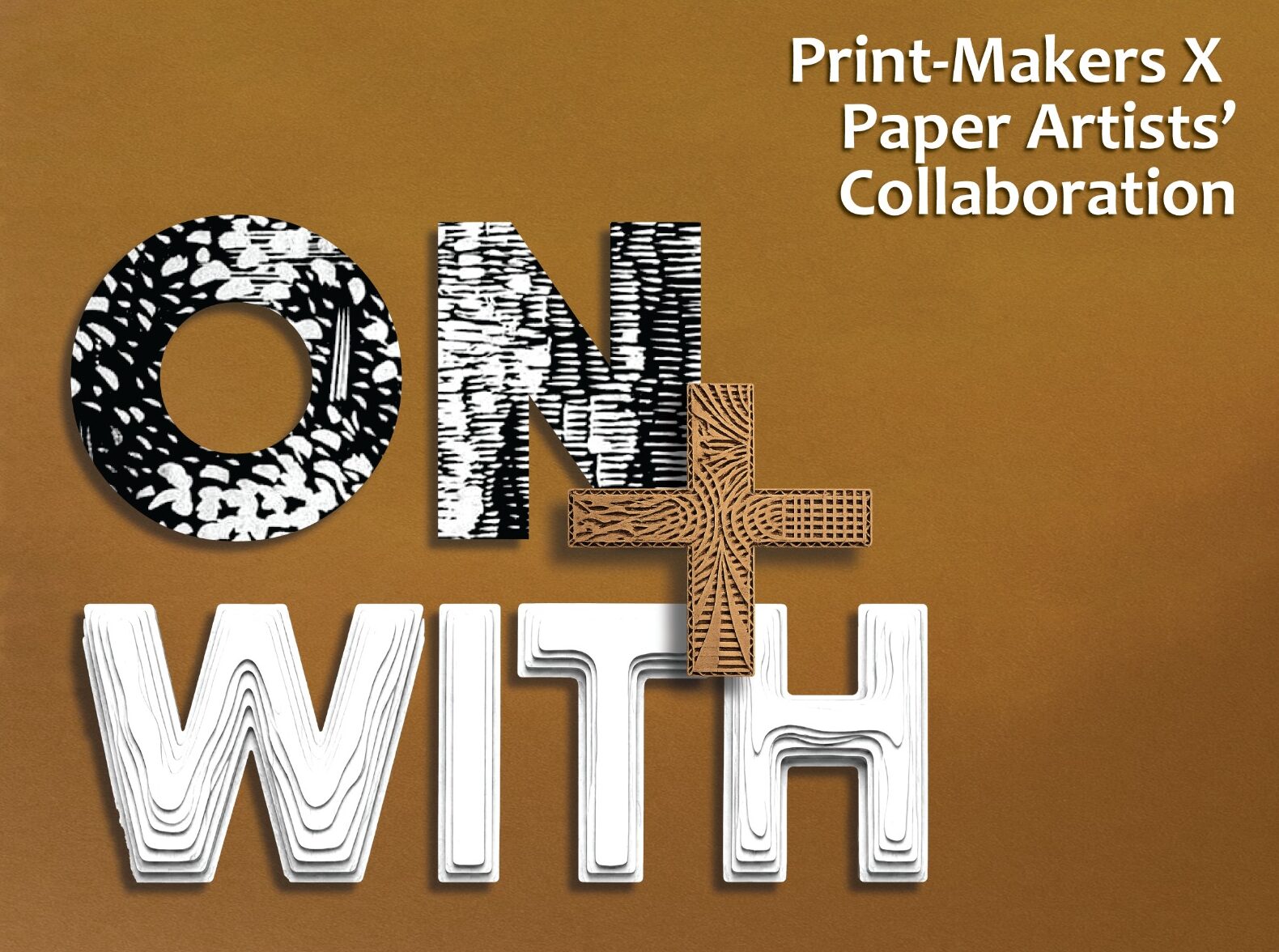
Printmakers work ON the surface of paper, Paper Artists work WITH the paper.
This special project and exhibition seeks to create a bridge where ON and WITH combine. Printmakers and paper artists come together in collaboration – working in pairs to express an idea where 1+1 may become 11, instead of 2.
The pairing transcends its understanding of the limitations and challenges of paper from their own unique lens, and transform the medium together into an expression of infinite expansion.
Paper is a humble material. Artists who express via paper are often put down as less worthy. The Wright brothers created the ‘Wright Flyer’, the first successful airplane in 1903. But 25 years earlier, in 1878, their father brought home a toy helicopter which was made of paper, bamboo and cork. The brothers often cited this helicopter as the spark that ignited their lifelong obsession with flying.
The versatility, accessibility and possibilities with paper can instigate and fuel the imagination like nothing else can. It can make our thoughts fly. This project seeks to combine SURFACE and STRUCTURE to encourage that flight to take place. 50 plus artists will come together to make this unprecedented project fly. Triumph to paper!
This is an invited exhibition and participation is by invitation only. If you are reading this, it means you have been invited to participate.
Yes, artists can suggest and curators will consider. However, we have invited printmakers and paper artists / sculptors to join the exhibition, so our first priority would be to pair the invited participants. We will give due weightage to the thoughts and opinions of the artists. There can be no forced marriage, especially in the act of creation – both partners must willingly consent to the collaboration.
There are three curators of this project of varying age and experience. They have their networks and decades of understanding, relationships in their own specialized art spheres. In some senses it is completely subjective. However some objective thoughts behind the curation are stated below –
The format of the exhibition is a pairing of artists getting together to co-create a work. Having said this, there may be the rare artist who is both accomplished in paper manipulation techniques and in various aspects of printmaking. We will consider such solo participations. But it will not be the norm and it is not encouraged. Artists often create in their own ivory towers. This project has been formulated to encourage co-creation, collaboration, negotiation and driving forward artists out of their comfort zones.
We are all human, and artists are sometimes more emotional and sentimental than most. We will go through a slow and careful process of pairing the artists, with an initial tentative pairing, followed by interactions between the paired artists, culminating in a final cemented partnership. However, as with all things in life, there can be unpredictability and a falling out to could happen midway. If it happens in the initial stages, we will try to re-pair the artists to other artists. However if it happens at a later stage of the project, we may have no option but to cancel that particular collaboration. This is also a social challenge in a way, how to
negotiate and continue to create in situations where fellow co-creators are not the most suitable. One of the curators of this exhibition is an architect and has faced many such projects in his career. Such challenges build emotional strength and maturity, to continue to build excellence in the face of compromised support / collaboration. Vishwakarma can build even on quicksand!
The work is co-created, so it is co-owned. The value of the work should be jointly determined by the artists of the pair. When sold, both artists must mutually agree to their share of the proceeds, in proportion to their contributions. The ideal split is 50:50, but it is possible that the quantum of work or material contributions were not equal, it is for the artists of the pair to determine between themselves. If the work is consigned by one of the artists in the pair to their gallery, the gallery commission must be factored-in, in discussion between the gallery and artists.
Curators are making a number of simple suggestions on resolving the physical ownership issue of the work after the exhibition –
India Paper Triennial has no commercial interest in the proceeds of this exhibition. We wish to push artistic and creative practices through the mediums of paper and printmaking. Artists who work with galleries are free to consign the works created for this exhibition to their galleries, and should request the galleries to send their patrons to the exhibition to see these works. This will also benefit emerging artists in the show who currently don’t have gallery representation, as well as galleries indirectly, who can scout fresh talent and possibly offer them shows or representation.
No. There is no participation fee and this entire special project is a not-for-profit initiative. The curators are also working completely pro-bono without charging any curation fee.
Packing, transport and return transport of the work to the Kamaladevi Chattopadhyay Hall at IIC, New Delhi are the responsibility of the artist pair to be mutually agreed between them. One or both artists of the pair are requested to be present and actively participate in the installation of the works. Or send an assistant from their studios if available. We will try our best to make an exception to this for outstation participants. They may send the works and we will install/uninstall pack. They have to take care of shipping costs both ways. Detailed discussion on installation requirements will be entered into with drawings to be provided by the artists who cannot be physically present during the install. Owing to the non-profit nature of the exhibition, artists from outside Delhi-NCR have to take care of their return travel and stay in Delhi at their own expense. Further details will be shared at the right time.
False walls, pedestals as necessary, labels, hooks in ceiling etc., will be arranged by India Paper Triennial. Any special requirements will be discussed with artists in advance and if artists will be requested to plan if difficult for IPT.
Show opens on the 29th of January and closes on the 9th of February. We may have a soft / intimate opening show on the 29th of January and a proper opening
on the 3rd or 4th in alignment with India Art Fair, just prior, as more art connoisseurs and patrons are in Delhi at that time. This will also benefit the outstation participating artists who are planning to visit art fair as well. However, nothing is final about this and when final decisions are made in October / November, all the artists will be informed, so they have 2-3 months to plan their travel.
Installation : 28th January 2027
Uninstall : 9th February evening 2027
This special project ON+WITH is a part of a much larger series of events and exhibitions around the India Paper Triennial / Kaagaz Kumbh being organized at Bikaner House, Travancore Palace, Crafts Museum, India Habitat Centre, IGNCA and the Grand Hotel, with multiple openings, programs, immersions and projects being showcased across the disciplines of art, design, craft, technology and architecture. An estimated 4,00,000 art lovers are expected to witness this unprecedented celebration of Paper in India for the first time, over multiple venues and over 45 days, starting 8th January and ending on the 20th of February. International participants to various events are flying in from all over the world to take part in an International Paper Congress in Udaipur, and they will also visit the exhibitions in Delhi before heading to Udaipur. This is a valuable opportunity to immerse, connect and network.
The curation would encourage established and experimental techniques –
There are endless possibilities but a few are listed below –
And more…
This is the Paper Triennial, the most visible and main material should be paper and the surface articulation clearing exhibiting printmaking. Other materials like plastic, metal, wood etc., can play a secondary or supporting role and not be prominently visible in the works created.
This is the primary million-dollar question of this entire exercise. The unusual and innovative use of both types of techniques and their adventurous / audacious combination are sought by the curators as the leitmotif for all works in this project.
Will the work be on a wall, hanging from the ceiling, a free-standing sculpture on the floor or on a pedestal, or something like a space one walks into, or perhaps a combination of these, are all primary questions of scale that each pair must address. Once they propose a certain scale or size, it will be a discussion with the curators, where to place the work, how much space to allocate it, how one work thematically flows into the next work etc. These are all aspects of detailed exhibition design.
It is also possible that the techniques selected by a pair are best implemented through small scale bejeweled artist books. Or something like that – giving a generic example. Then so be it. The scale must work in consonance with what is the idea of combining the two (or more) techniques, and what would be the most impactful and ‘wow’ presentation in the exhibition, both conceptually and in final execution.
We have paired artists from both disciplines within the same city, so as to facilitate ease of working. Artist pairs can discuss how they want to work by alternatively travelling to each other’s studios or figuring out ways to coordinate, shipping work components locally back-and-forth etc. One of the artist’s may have a larger setup and the other may be working from home. The second artist may choose to work at the first artist’s studio or carry components when ready. The India Paper Triennial will not facilitate how two grown adults should coordinate work logistics!
The concept behind the work should hold the philosophical underpinnings or concerns of both the artists in a nutshell. It should underscore the identity of the artists and what is uniquely understood in the art world as their ‘brand’ of thinking and making. For young practitioners as yet not sure what their brand is, this is an amazing opportunity to explore and find out and clarify for themselves, what are the things that hold the most meaning for them by way of artistic expression.
Yes, you can. Some of the other showcases of the India Paper Triennial are Solo artist’s projects, primarily presented by art galleries : at Travancore Palace and Bikaner House. Some of the artists of this exhibition (at IIC), will be approached separately via their galleries for participation in those formats in their solo capacity. In some cases, galleries may be persuaded to represent some of the younger artists who have innovative practices with paper and deserve solo projects or showcases but as yet do not have gallery representation.
Yes. If you are interested in being considered for any of the other sections of the India Paper Triennial, you are welcome to submit your CV and portfolio to indiapapertriennial@gmail.com. Please mention the name of the section you wish to be considered for in the subject line of your email so that your submission can be forwarded to the appropriate curatorial team.
The respective curators will review your portfolio and assess its suitability for their section. Please note that several sections of the India Paper Triennial are curated through an invitation-based process. While all submissions will be given due consideration, sending your portfolio is an expression of interest and does not guarantee selection or participation.
(i) | Finalization of Participating Artists, Reading of FAQs and General Agreement to Participate ; | By 25-06-2026 |
(ii) | First Tentative Pairing and Discussions and Confirmation on Pairing of Artists with Curator Interviews Where Needed | 26-06-2026 to 15-07-2026 |
(iii) | First Online Meeting with all Artists and Curators – Introductions and Icebreaker | On 18-07-2026 |
(iv) |
| 20-07-2026 to 15-08-2026 (Note : Date ranges mean that Curators will schedule interviews with different pairs throughout this period on different days) |
(v) | Prototyping and Sampling Experimentations begin ; A study model at smaller scale may be created as necessary ; To be presented for 2nd round of Feedback and Discussions with the Curators ; Final Concepts and Sizes of works are fixed ; | 16-08-2026 to 15-09-2026 |
(vi) | Final Production of Work begins | 16-09-2026 onwards |
(vii) | Mid-Review with Pairs | Through Oct-Nov |
(viii) | Work Completion Deadline – Submission of all Data pertaining to the works via Google Form including final pictures and videos for social media promotion purposes and for an e-catalogue; Note : A physical catalogue will be created, and complementary copies given to the artists if funding becomes available for the same. | 01-12-2026 (This deadline must be strictly adhered to for Exhibition Design planning and finalization) |
(ix) | Transport of Works Deadline (for outstation artists not travelling to Delhi for the show or the opening) | To reach Delhi – latest by 15-01-2027 |
(x) | Installation | 28-01-2027 |
(xi) | Soft Opening | 29-01-2027 |
(xii) | Opening | 03 or 04/02/2027 |
(xiii) | Uninstall and Packing | 09-02-2027 |
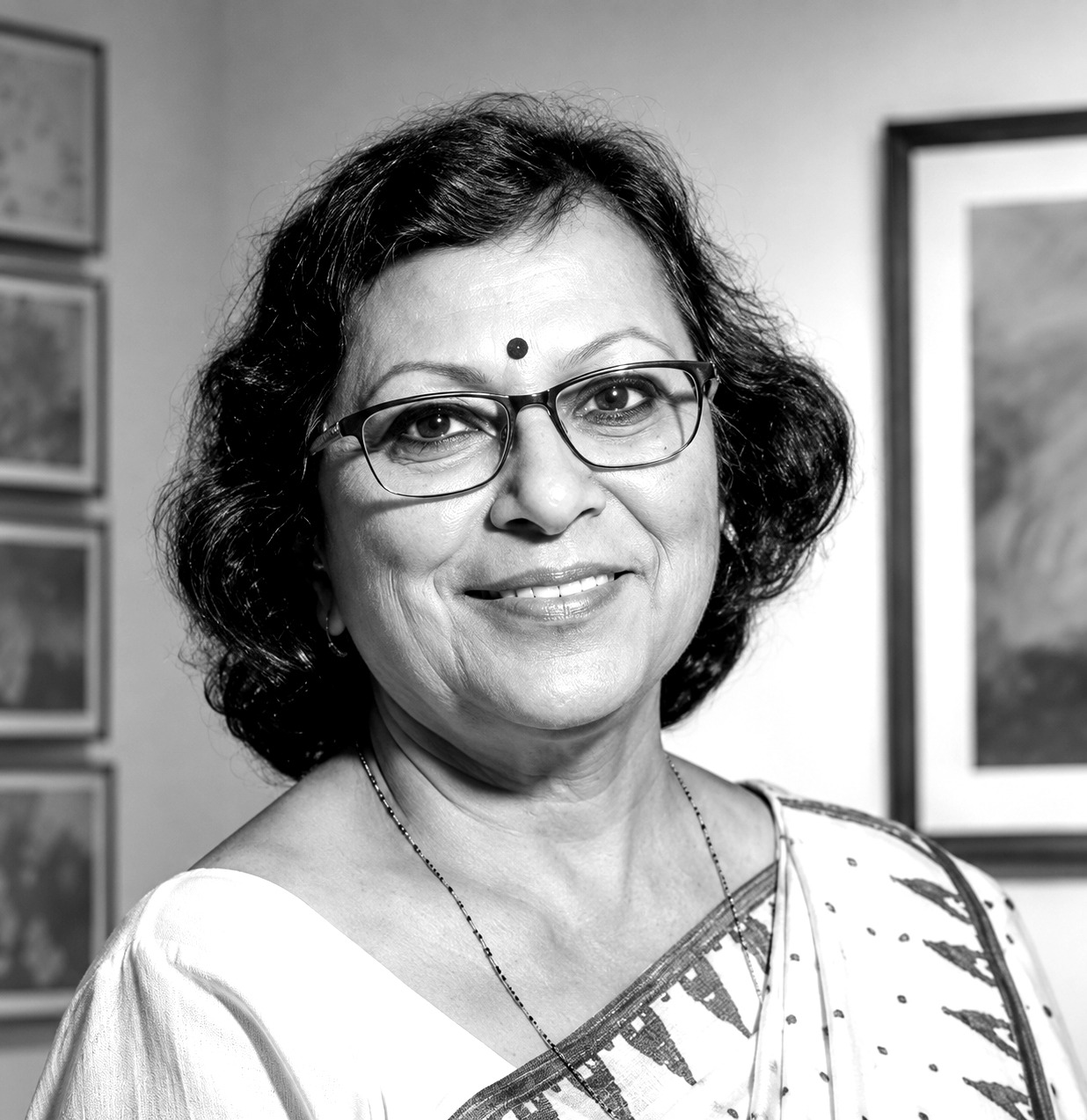
Kavita obtained her bachelor’s degree from Shantiniketan in Printmaking followed by masters in Painting from College of Art, New Delhi. Recipient of many awards and scholarships like French Govt scholarship in Paris; Charles Wallace India Trust Fellowship in Oxford, England; Creative Fund fellowship and residency in Luxembourg;, Ministry of Culture residency in Gyor ,Hungary; French Govt residency – Mois de L’estampe in Paris; Residency for Glass project in Sweden , Residency in President House in New Delhi .
Received Senior and Junior fellowship from Ministry of HRD, Research Grant from Lalit kala Akademy, Honourable Mention in the 44th National Exhibition , invited for 10th Triennial of India ,AIFACS and Sahitya Kala Youth festival award and many more . She has participated in number of workshops in overseas and given presentations in France, England, Sweden, Hungary, Luxembourg, Mauritius, USA , China , Korea, Greece, Bhutan and Bangladesh .Held number of solo exhibitions in India and abroad .
Her works are in collection with Prime Minister House (Panchvati Hall) in N.Delhi, Rashtrapati Bhavan,
Ministry of Civil Aviation , National Gallery of Modern Art ,New Delhi , Lalit Kala akademy,N.Delhi; National Bibliotheque, Paris; Otterbien University and Columbus in Ohio, Korea , Bangladesh, Greece and in many important academies and corporate houses in India and abroad. Founder member of ‘Indian Printmakers guild’ and ‘Multiple Encounters’.
She has been a visiting professor in College of Art, N. Delhi and Trustee of an NGO, Kala Sakshi Memorial Trust (www.kalasakshi.org) which is involved in scholarships and mentoring programmes giving platform to young & deserving students of art from across the country.
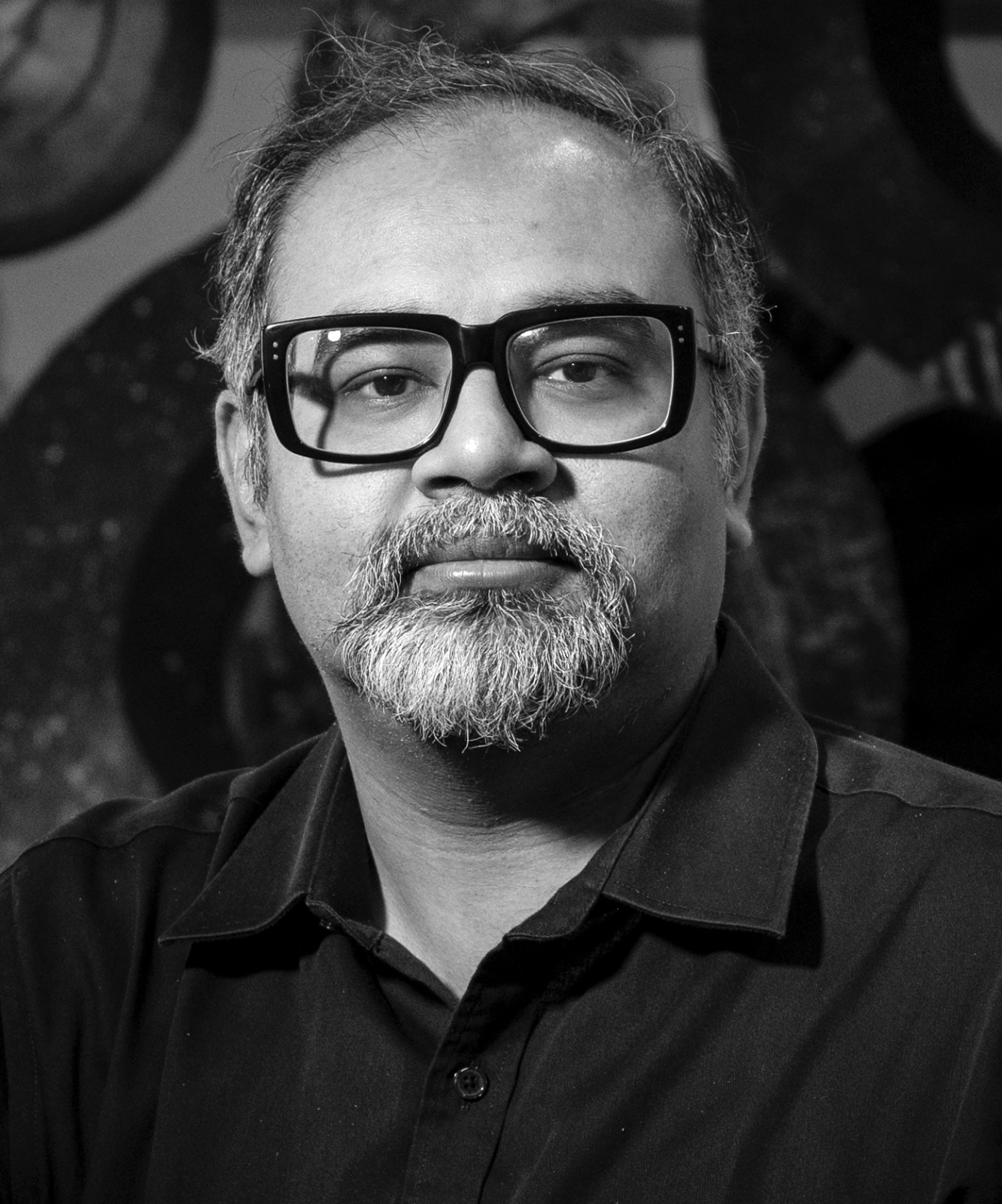
Ankon Mitra is an architect, landscape designer and sculptor. He has built an international reputation as a pioneer of the folding technique. Recipient of the All-India Gold Medal for Sculpture in 2018 and the Lexus Design Award for Craft Design in 2020, his work has been exhibited in 18 countries. His sculptures and installations are part of public and private collections globally. With his brainchild – ‘Oritecture = Origami + Architecture’, he shares a vision of a universe forming and dissolving from acts of folding. Oritecture emerged out of a close observation of the natural world as a result of immersion in his landscape architecture practice. His most recent projects in India are a 5 storeys commemorative installation for the Tata Sons at Bombay House as a tribute to Ratan Tata and a 20 metre tall lighting installation in acrylic and metal at the new arrival terminal at T2 Airport, Ahmedabad for Adani Airports. In 2025 he was selected as anchor artist for the Cheongju Craft Biennale in South Korea and in 2024 in the Indian Ocean Craft Triennial in Perth, Australia, two of the most prestigious craft celebrations in the world. He has presented an Origami Pavilion at the Salone del Mobile in Milan in April 2026.
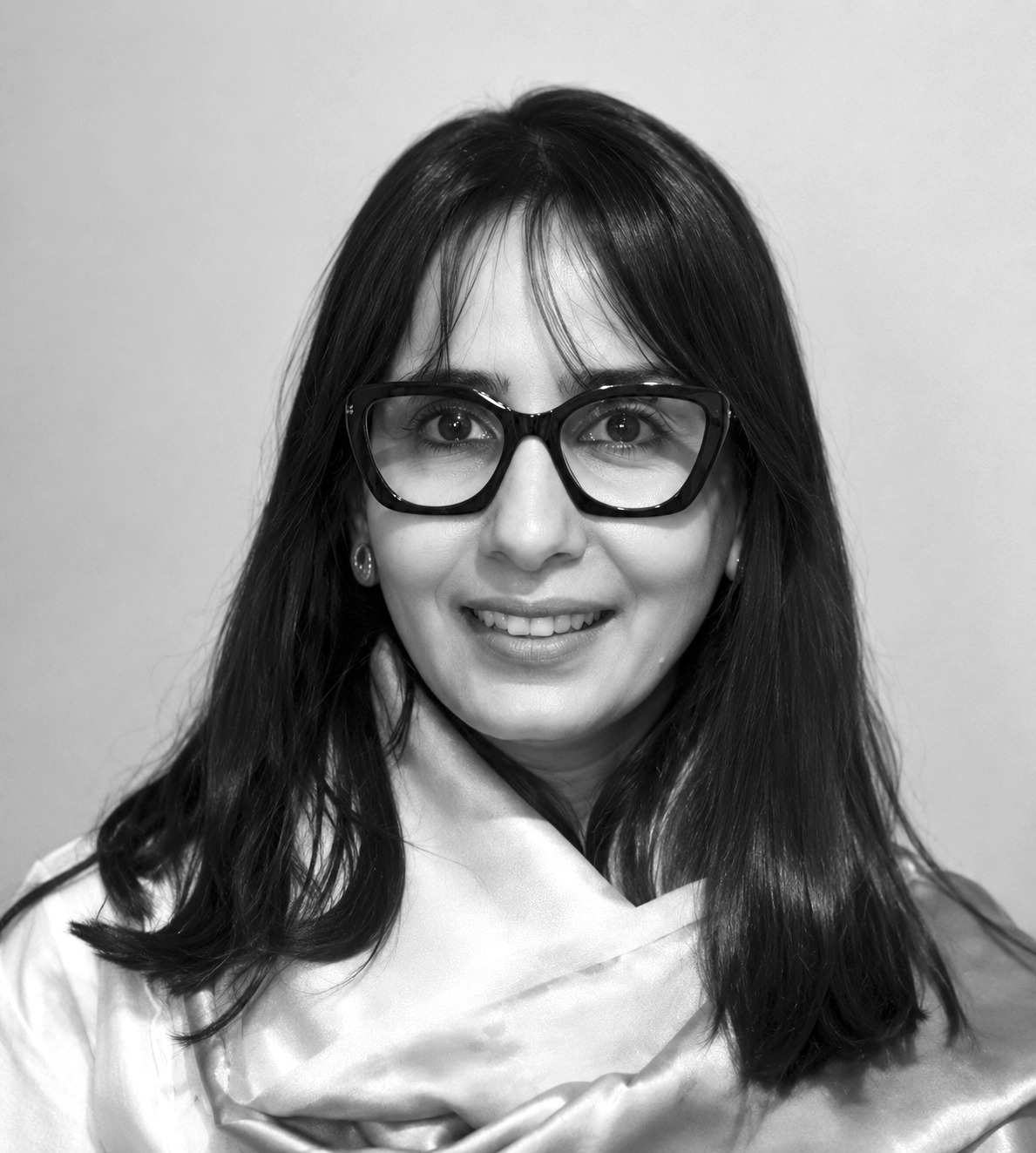
Born in 1981 in New Delhi, Chetnaa completed her Master’s degree in Painting from the College of Art in New Delhi. Her geometric abstractions are drawn largely from the landscape and architecture of her city: keen observations of the metropolis translated into an eloquent schematic of lines and markers. Initiated as symmetrical arrangements, Chetnaa’s work reveals the need to deconstruct the order she once sought, so as to build a new geometric logic that feeds her minimalist aesthetic.
Chetnaa recently presented a solo show titled Sabr | صبر, curated by Srinivas Aditya Mopidevi at Sakshi Gallery, Mumbai. She also showcased a solo exhibition, Here I Am, with Silvia’s Mother Gallery in London, United Kingdom (2024). Her focus booth, Sacred Square: 101 Meditations on Paper, was part of the India Art Fair 2022 with Anupa Mehta Contemporary Arts. She has held four solo exhibitions, including a special online and physical presentation P = 4L, {Deconstructing Square Space}, and has participated in several group exhibitions across India and internationally.
Recent group exhibitions include Material as Metaphor – A Dialogue of Art Forms, curated by Sayantan Maitra Boka at NGMA, Kolkata; On Paper Of Paper, curated by Ankon Mitra at the India Design Fair (2024); Squaring the Circle at Artshila, Shantiniketan (2023); Inner Life of Things: Around Anatomies & Armatures at Kiran Nadar Museum of Art, Uttar Pradesh (2022); State of Mind: Between Dysphoria & Hope, curated by Sayali Mundye at Sakshi Gallery, Mumbai (2021); Abstract Notations, curated by Jesal Thacker at Gallery Espace, New Delhi (2020); All is Not Lost 20:20:20, curated by Saloni Doshi at Sakshi Gallery, Mumbai (2020); A Walk Across Grids with Akara Art, Mumbai (2020); Imprint: After, curated by Sitara Chowfla for the Pulp Society, New Delhi (2020); Artist-in-Residence at the India Art Fair (2020); Breaking Ground, 1st Indian Ceramic Triennale, JKK, Jaipur (2018); Everything Is Black & White at Palette Art Gallery, New Delhi (2018); and Condition Reports, curated by Ranjit Hoskote at Art District XIII, New Delhi (2017).
The artist has received the AIFACS All India Drawing Award; Emerging Artist of the Year by Glenfiddich; the Best College Art Award; and a Special Mention Award from SCZCC, Nagpur